Energy Efficiency in Hydraulic Presses: 7 Practical Methods
Much of a hydraulic press’s energy use comes from standby and losses. Practical ways to cut consumption, from variable pumps to thermal insulation.
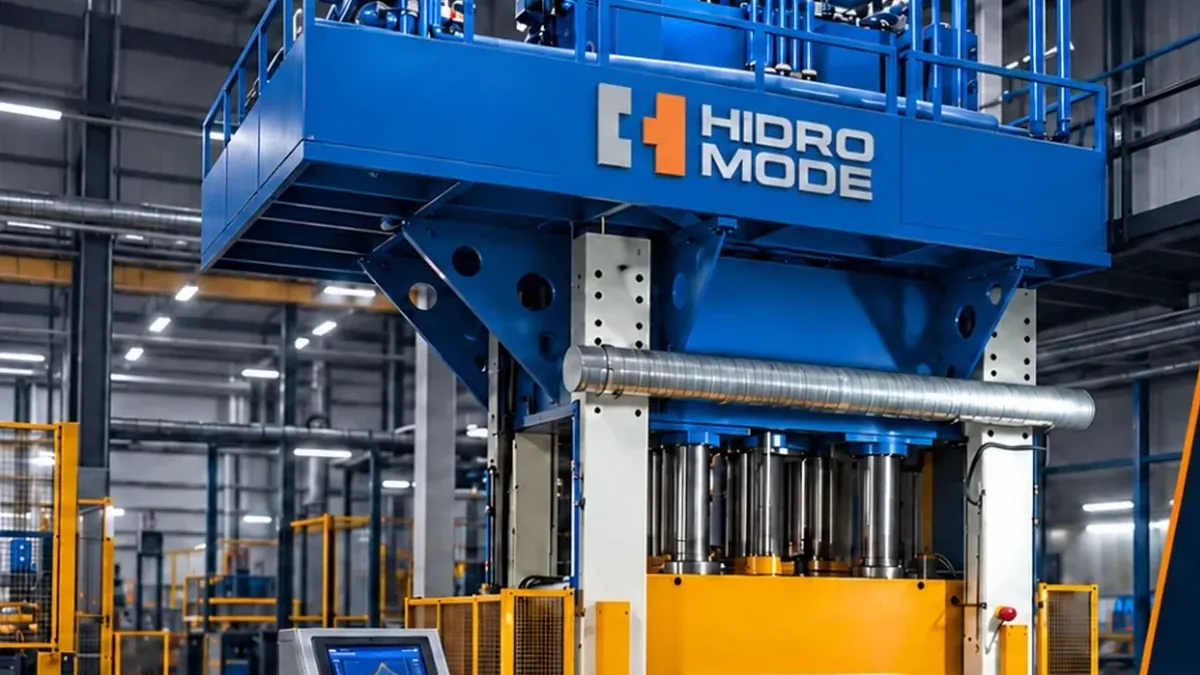
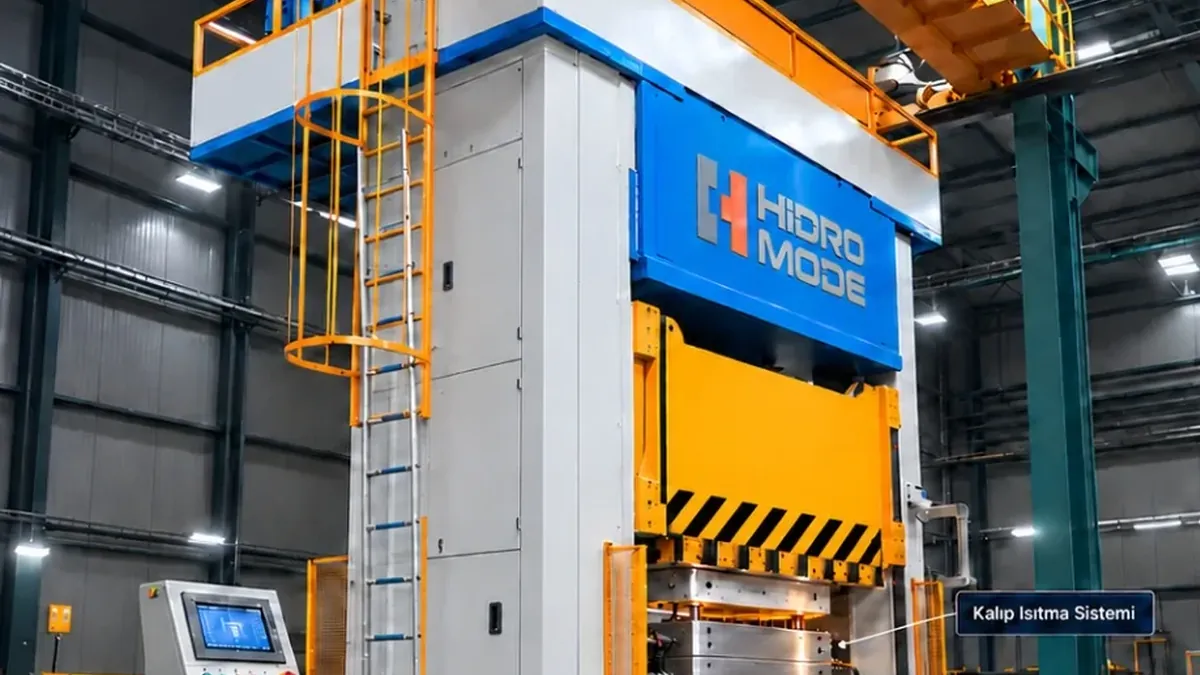
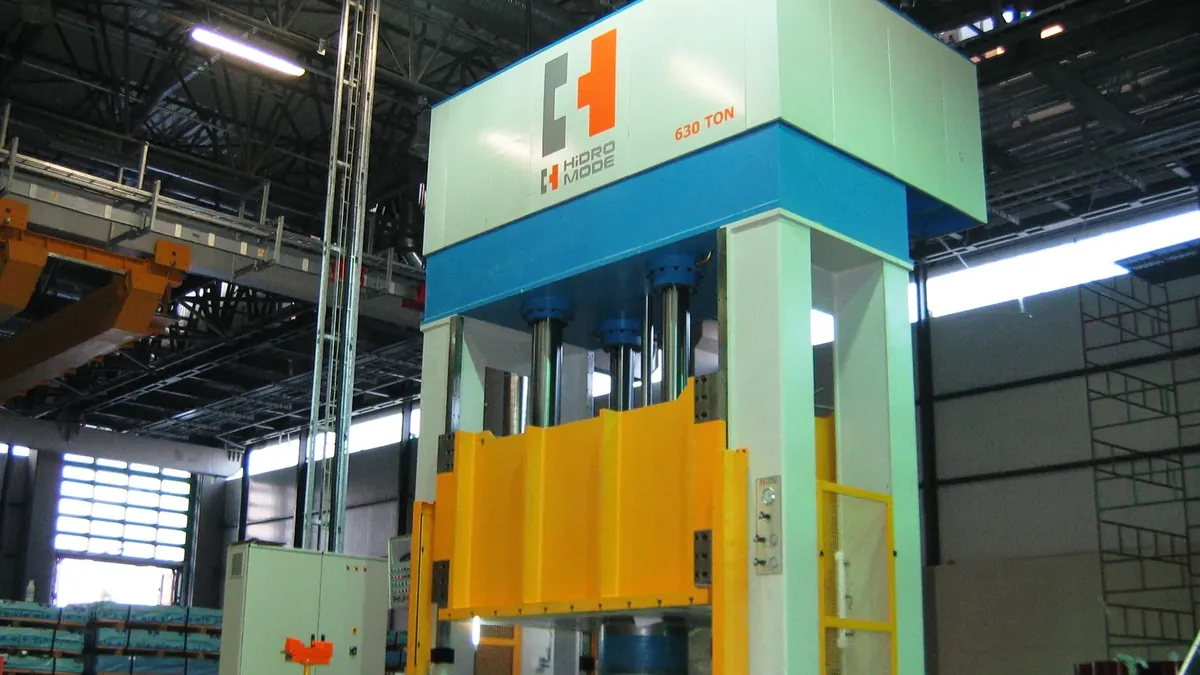
With its motor, pump, valves and heating, a hydraulic press can be one of a plant’s largest energy consumers. The good news is that much of the consumption comes from standby time and hydraulic losses when the press is not really working — and can be reduced with the right design.
1. Variable-displacement pumps
Fixed pumps deliver full flow even when not needed, and the excess turns to heat across the relief valve. Variable and proportional pumps deliver only the flow required.
2. Servo-motor pump drives
A servo motor adjusts pump speed to the instantaneous need and almost stops during standby. The gain is especially clear on composite presses with long dwell and cure times.
3. Smart standby modes
Automatically switching motors off or to low speed when no cycle starts within a set time saves significant energy between shifts.
4. Insulated heating
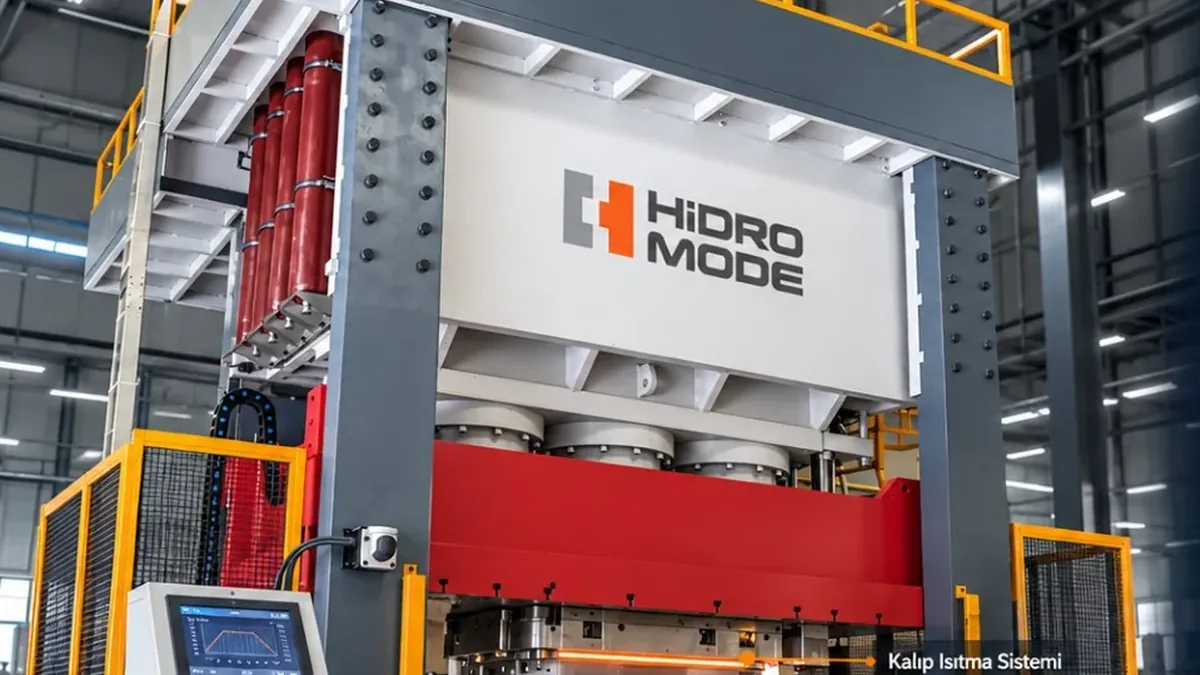
On hot presses, insulation plates stop platen heat flowing into the frame, reducing heating energy and unnecessary heating of hydraulic oil.
5. A correctly sized hydraulic circuit
Undersized pipes and valves mean pressure loss; oversized ones mean extra investment and oil volume. A circuit calculated for the speed and pressure profile minimises losses.
6. Oil temperature control
An independent cooling and filtration circuit keeps oil at its ideal temperature, reducing viscosity losses and seal wear.
7. Measure and monitor
Monitoring energy consumption via the PLC makes improvement opportunities visible. On Industry 4.0-ready presses consumption can be reported per cycle.
Existing presses can also be retrofitted with a new pump group, standby modes and insulation. Payback is calculated from operating hours and energy prices.
Frequently Asked Questions
When does a hydraulic press use the most energy?
In many applications, a fixed pump delivering oil during standby and relief-valve losses account for a large share.
Is a servo pump drive worthwhile on every press?
Gains are highest on presses with long dwell/cure times and variable cycles; the decision should be based on analysis.
Can energy efficiency be improved on an old press?
Yes — a new pump group, standby modes and insulation can reduce consumption through retrofit.
Our engineers will help you with press selection, capacity and automation.